
Essential Reading for a Low-Carbon Future
To build the roads of tomorrow, we must first understand the forces shaping them today. This curated library explores the intersection of climate policy, material innovation, and the economics of sustainable infrastructure, selected for industry leaders who are driving the transition.
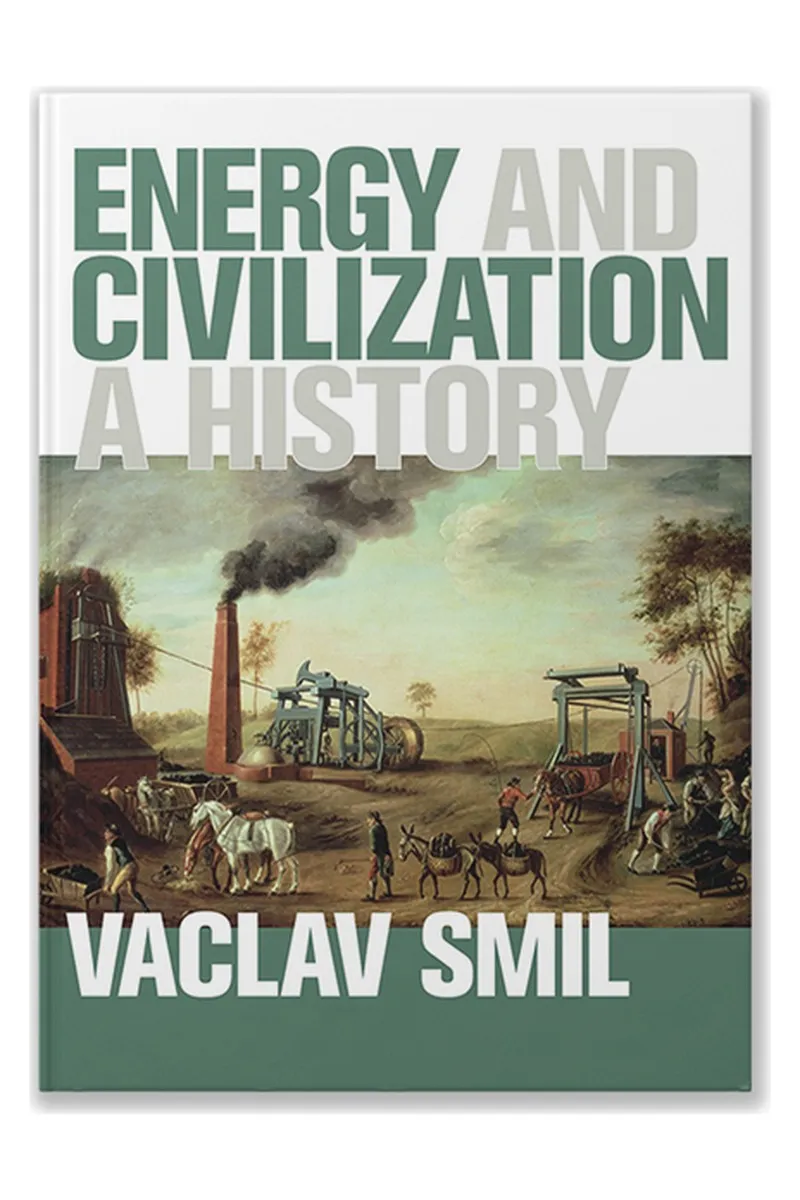
Energy and Civilization: A History
Vaclav Smil
Energy is the universal currency. Smil reveals how fossil fuels shaped modern civilization and transport infrastructure—the essential premise for why alternative materials matter. Bill Gates says waiting for a new Smil book is like waiting for the next Star Wars(!).
Energy History / Civilizational Foundations
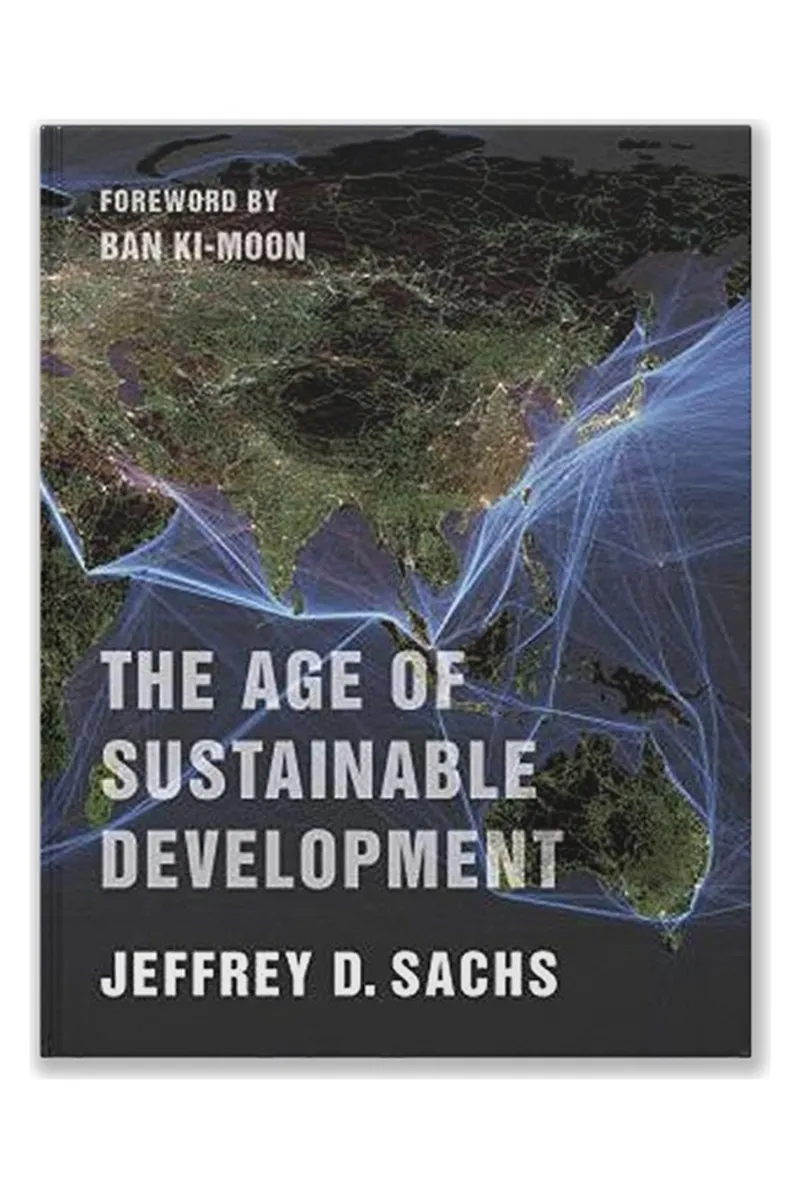
The Age of Sustainable Development
Jeffrey D. Sachs
Sachs delivers the most systematic framework for sustainable development: economic growth, social inclusion, and environmental sustainability are inseparable. For policymakers and asset owners in the roadbuilding ecosystem, this is essential for understanding how the SDGs translate into infrastructure.
Sustainable Development / Policy Frameworks
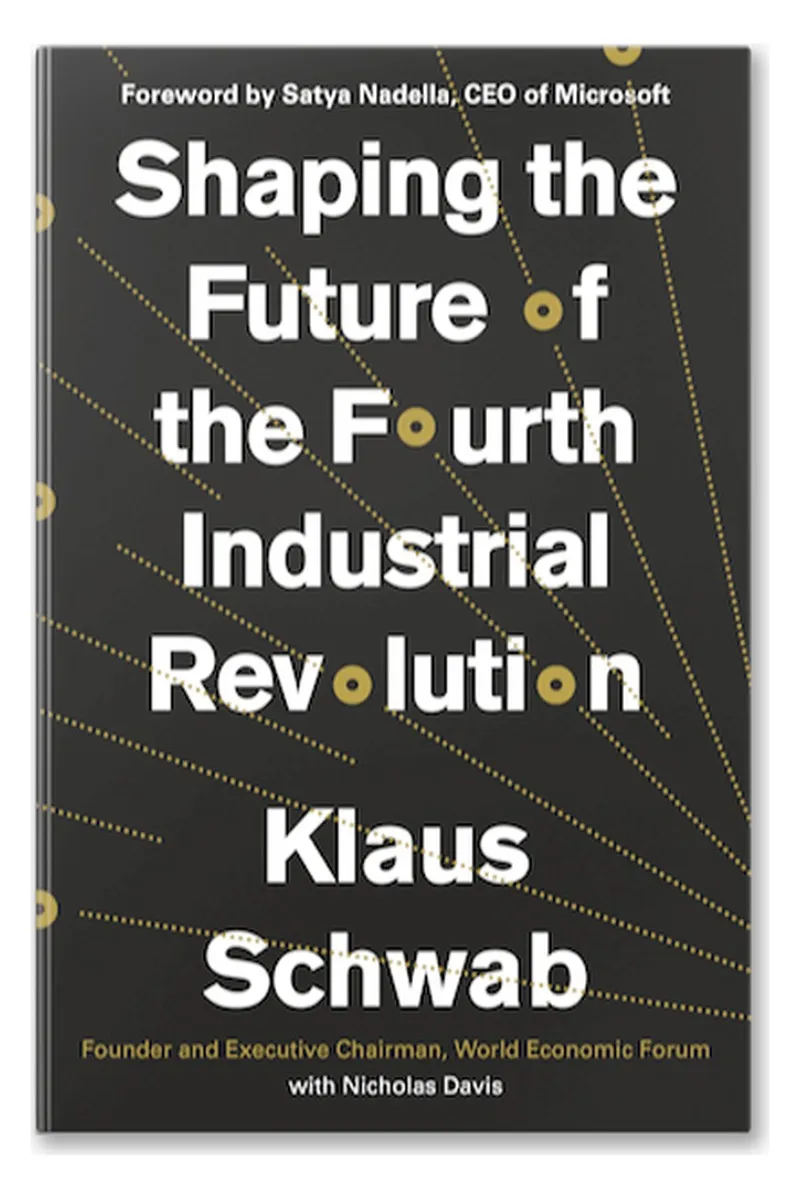
Shaping the Future of the Fourth Industrial Revolution
Klaus Schwab
The Fourth Industrial Revolution is reshaping materials, energy, and mobility. Drawing on 200+ experts, Schwab reminds us that technology is not destiny; it is choice. Advanced materials (Chapter 9) are an under-appreciated lever in this transformation.
Technological Change / Systems Thinking

World Without End: An Illustrated Guide to the Climate Crisis
Jean-Marc Jancovici & Christophe Blain
France's #1 bestseller (over a million copies sold) uses graphic storytelling to expose our profound energy blindness. Jancovici, a leading climate engineer, shows why fossil fuels won't be easily abandoned, and why "simply switching to renewables" is insufficient. For anyone building durable roads, this is essential grounding in the energy-material nexus.
Energy and Materials Literacy / Climate Reality

Reality Blind
Nate Hagens & DJ White
Our greatest blind spot is not climate: it is how we think. Hagens and White reveal that solving climate in isolation is insufficient: energy, finance, and ecology are a coupled system. This directly echoes Uberbinder's systems-level approach.
Systems Science / Cognitive Frameworks
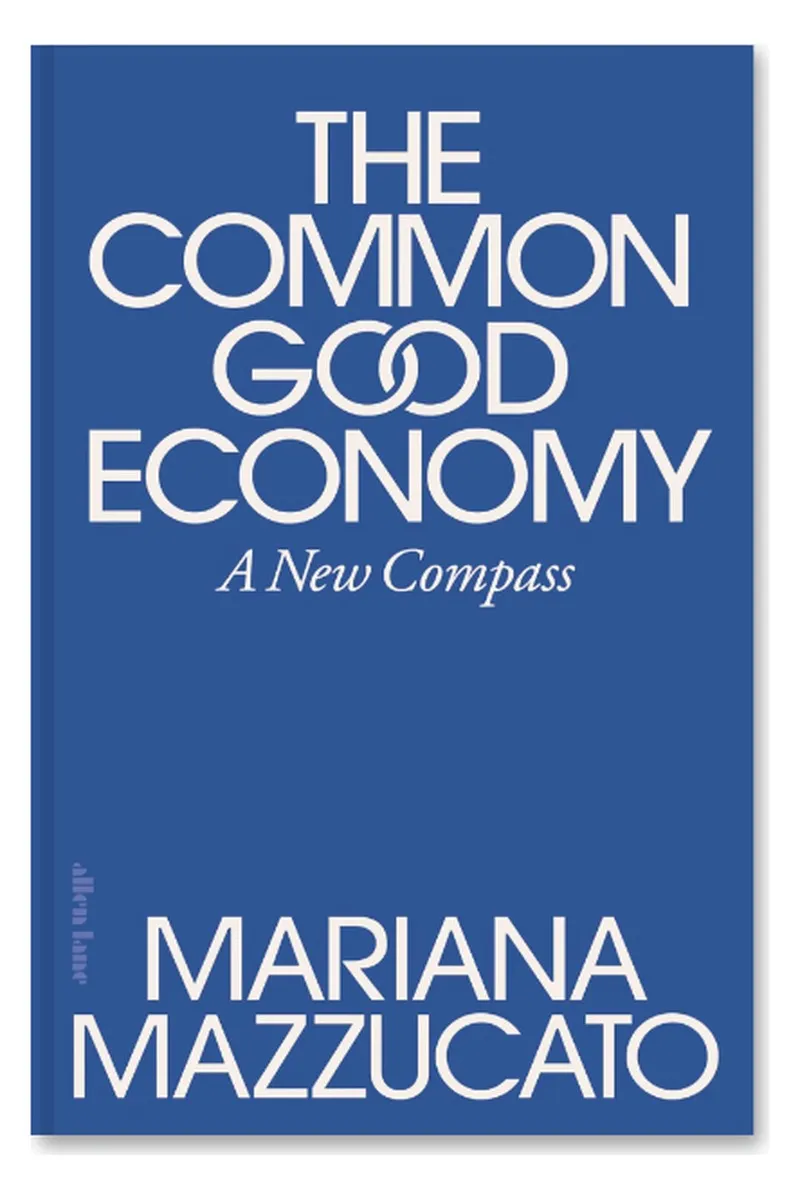
The Common Good Economy: A New Compass
Mariana Mazzucato
Mazzucato offers a new economic paradigm: government and business must co-create markets, not just fix failures. For sustainable infrastructure companies seeking public procurement and policy support, this is a guide to co-creating value with government.
Economic Governance / Mission-Oriented Innovation
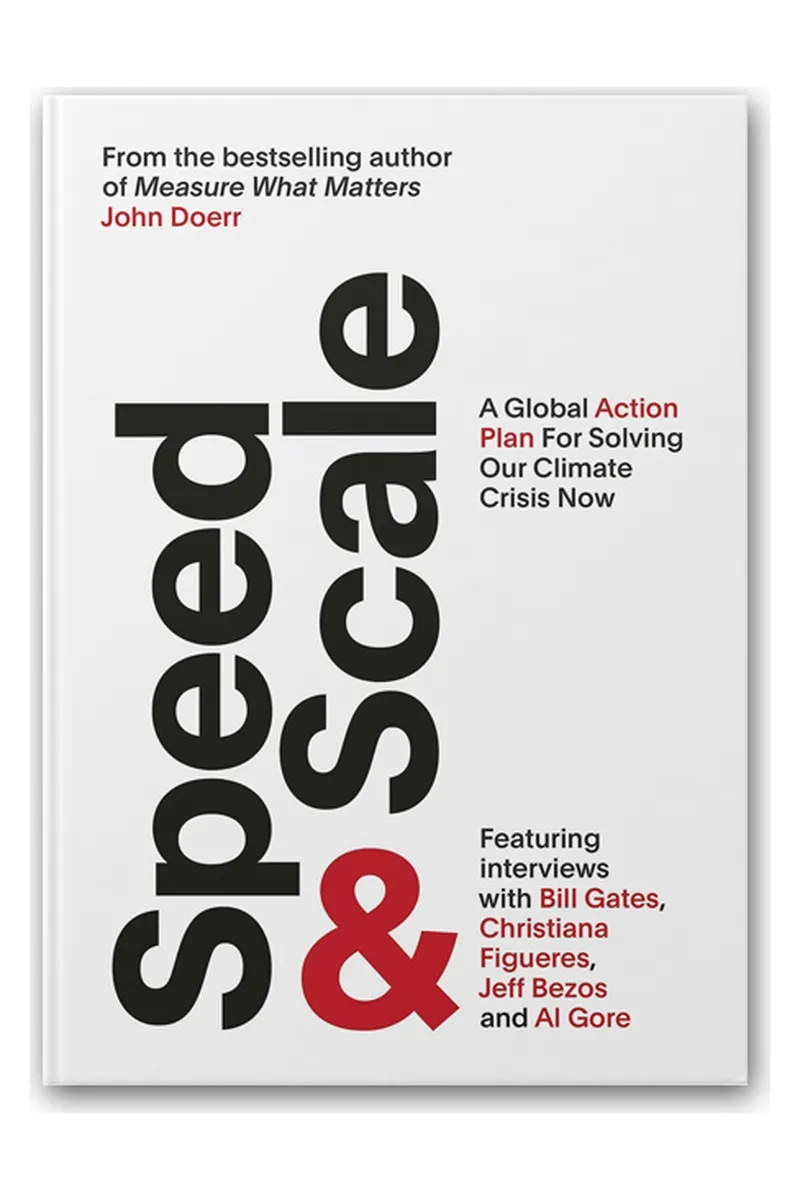
Speed & Scale
John Doerr
Doerr applies Objectives and Key Results (OKR) method to the climate crisis, delivering a quantifiable, executable net-zero roadmap. For investors and industry decision-makers, this is an operator's manual; from vision to metrics. Al Gore calls it "a critical blueprint."
Climate Action / Execution Framework

Bio-polymerized Sulfur for Sustainable Practice in Applied Sciences and Engineering
AMO Mohamed & Maisa El Gamal
This is the destination of the list and Uberbinder's origin. The book systematically covers bio-polymerized sulfur applications from circular economy to road asphalt and soil improvement: our technology's academic foundation. Professor Mohamed also served as Uberbinder's chief technology advisor.
Materials Science / Circular Economy
Roadmap to Net Zero — the fold-out map
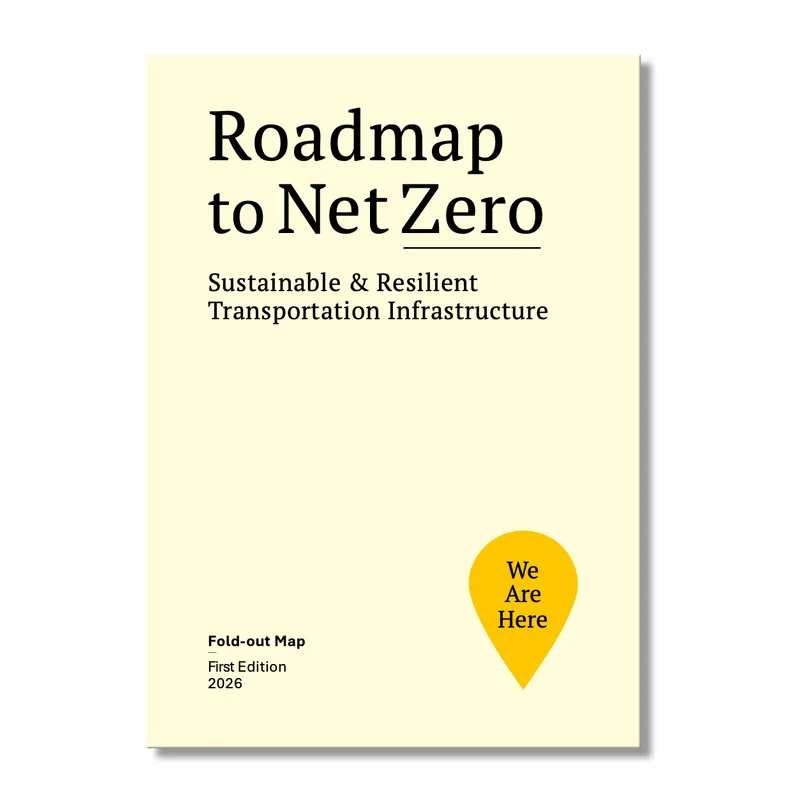
Our own print piece, charting the sector's levers to 2040 alongside the reads above.
Download PDF ↓