
Technology
Engineered to drop into the roads we already build
One binder that does the work of four, made from waste sulfur and natural oils, and run through the plants the industry already owns.
You cannot electrify your way out of bitumen
-2100x900.webp)
Known chemistry, engineered into a binder
Inverse vulcanisation — cross-linking elemental sulfur with fatty acids — is established, published science. Turning it into a road binder that performs is a different problem: which acids, in what proportions, in what sequence, with what else, and under what process control. That is what we have patented. The chemistry is in the literature; the binder is not.
Request the technical briefing →Where the industry uses four products, we use one
The industry buys a bio-binder, a warm-mix agent, a rejuvenator and an anti-stripping agent, and doses them separately. Uberbinder is engineered so one binder carries all four functions.
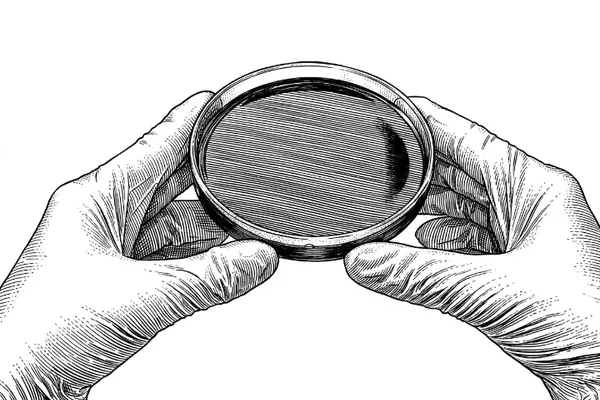
1
Bio-binder.
Extends or replaces fossil bitumen.
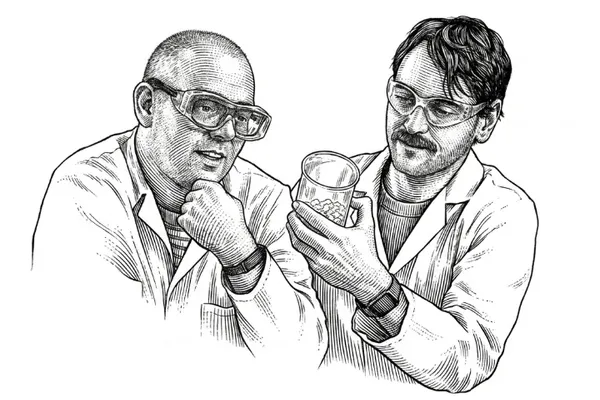
2
Warm-mix agent.
Lower temperatures, less energy, fewer fumes.
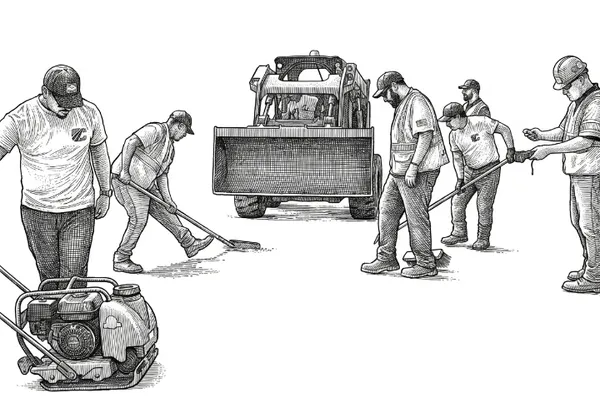
3
Rejuvenator.
Restores aged binder, so more reclaimed asphalt returns to the road.
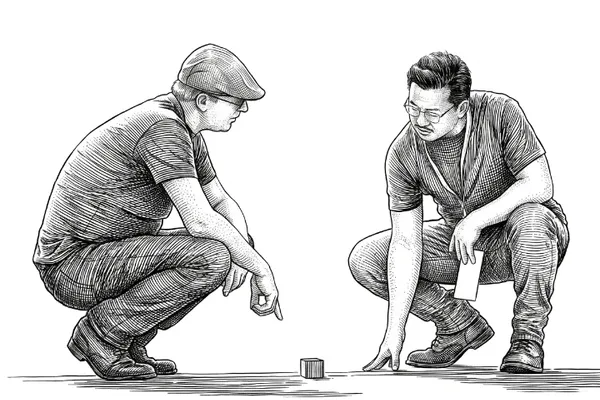
4
Anti-stripping agent.
Resists moisture damage, which ends most road lives early.
One binder
Uberbinder
Four functions, one product.
Built to be made at scale
Scalability is the objection most bio-binders fail on, so we addressed it before performance. An independent engineering study has validated a feasible route to industrial-scale production using established technology, with a study indicating a significantly reduced capital pathway compared to conventional plants. The route is proprietary.
From laboratory to road
Laboratory validation. (done)
Complete for the current formulation.
First field pilot, 2025. (done)
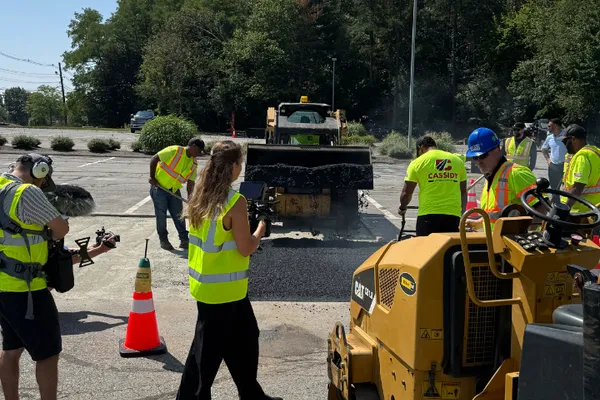
Laid, and through its first winter in service.
Independent validation. (done)
Underway with AECOM.
Load-bearing field trials for 2027. (done)
Road authorities in the UK and Spain.
What we are validating now
We are testing to the standards specifiers already use — performance grading, moisture resistance, rutting, cracking, ageing — alongside independent life-cycle assessment to follow. We publish no carbon figures ahead of it. Results reach collaborators as they complete.












-1600x900.webp)